CLASSY CAVIAR
Science
In her research, Angela Köhler identified the relevant signaling molecules and ions in cell biology to prepare mature stripped eggs from sturgeon and other fish for the subsequent production of premium caviar. The eggs for caviar production are obtained through gentle massage without harming the valuable females. However, they are too delicate to be cleaned, salted, and packaged. The central question was how to stimulate mature live sturgeon eggs and their cell metabolism in order to stabilize their outer egg shell with an elastic layer that has an optimal texture and mouthfeel for the consumer. With this innovative process, signal molecules in very low natural concentrations activate an enzyme mechanism that stabilizes the outer layer of the eggs without altering their liquid interior and natural content.
After the metabolic stabilization of the egg shell, the clean mature eggs are then ready for caviar processing: salting, maturing, packaging, and storage.
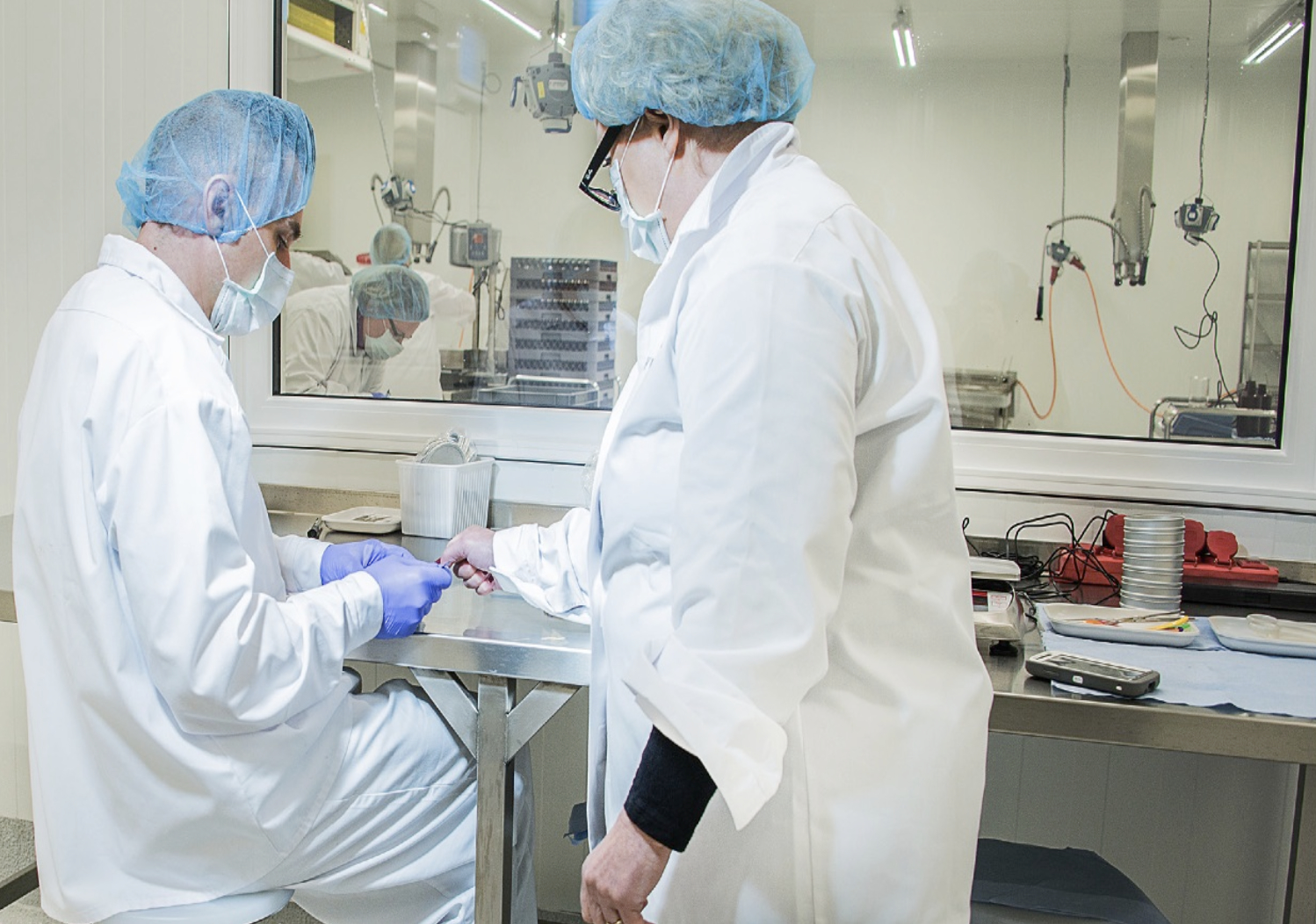
These complex biological processes have been tested and scaled up and can be quickly and easily applied during large scale caviar productions by our licensees’ employees. The process requires controlled conditions in the caviar production facility and employee training to ensure excellent caviar quality.
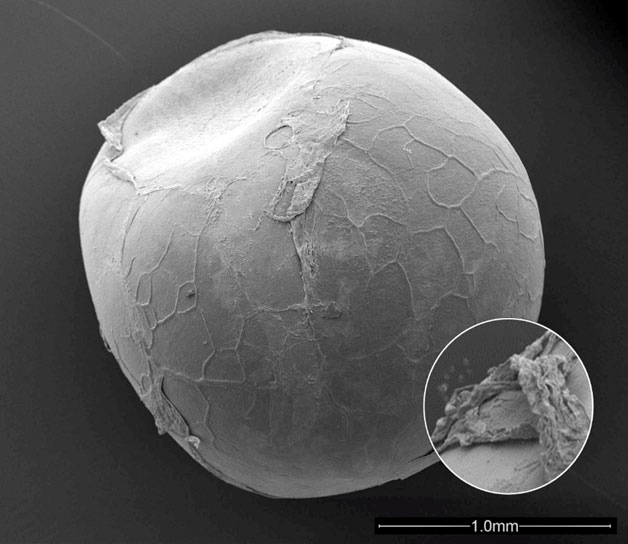
First Photo: The immature egg for conventional caviar, which is obtained through slaughter, is surrounded by a capsule of various gonadal cells (theca cells, granulosa cells, blood vessels). These cells stabilize the egg and are closely interwoven with the plasma membrane of the egg to transport nutrients. Remaining cell debris on the egg surface cannot be removed even by sieving and cleaning. A paradise for bacteria and mold. Therefore, caviar obtained by slaughtering to obtain immature but stable eggs must always be chemically preserved and/or pasteurized.
(Copyright Angela Köhler-Günther)
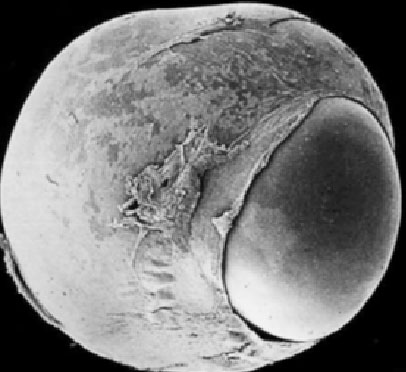
Second Photo: An egg in its current living situation in situ, which is pushed out of the gonad capsule when it is released into the body cavity of the fish. From there, the eggs are released into the water or can be gently massaged off by farmers. Photo: E. Lubzens et al, 2010 Oogenesis in teleosts How fish eggs are formed. General and Comparative Endocrinology Volume 165,3,367-389. doi:10.1016/j.ygcen.2009.05.022
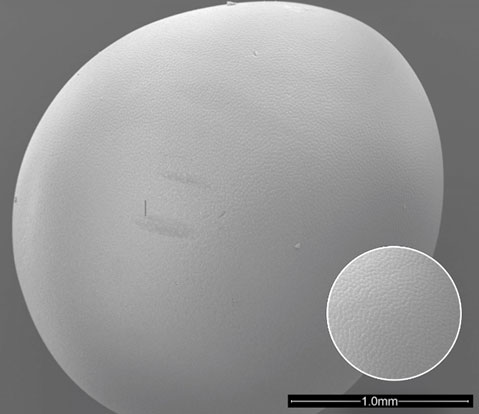
Third Photo: Completely clean, mature, live egg after being stripped by massaging the fish. The surface of the eggs is very delicate and must therefore be stabilized using the AWI process so that they can be further processed into caviar through salting, packaging, and maturing. Due to the clean surface of the eggs, no preservatives or pasteurization are required. They are only salted with a low malossol concentration of maximum 3.8%, which ensures a long shelf life.
(Copyright Angela Köhler-Günther)
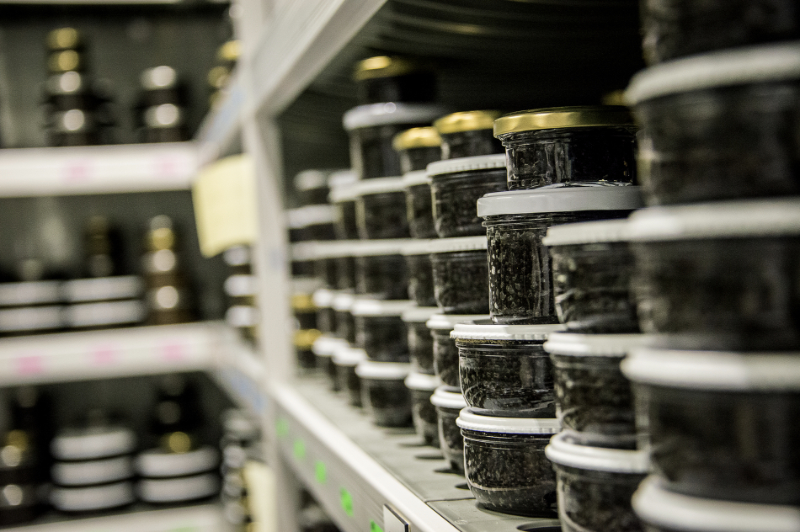
CLASSY CAVIAR does not require preservatives such as borax or other additives and does not need to be pasteurized. A shelf life of up to 9 months at minus 2 °C to minus 4 °C has been tested by certified laboratories. This caviar can be frozen at minus 18 °C and slowly thawed without any loss of quality. Transport at this temperature and storage for over 2 years revolutionize the logistics of the caviar trade and convenience for end customers such as private gourmets and restaurant chefs. No loss of texture or taste was observed when thawed slowly at refrigerator temperatures.