Science & Technology
From Cell Biology to Caviar from Living Female Sturgeon
How can mature eggs harvested from living female sturgeon be transformed into premium caviar?
The key lies in understanding the egg cell and its delicate membrane. Research by Prof. Dr Angela Köhler-Günther at the Alfred Wegener Institute (AWI) provides the scientific foundation for the patented AWI processes.
Pearls Full of Flavor
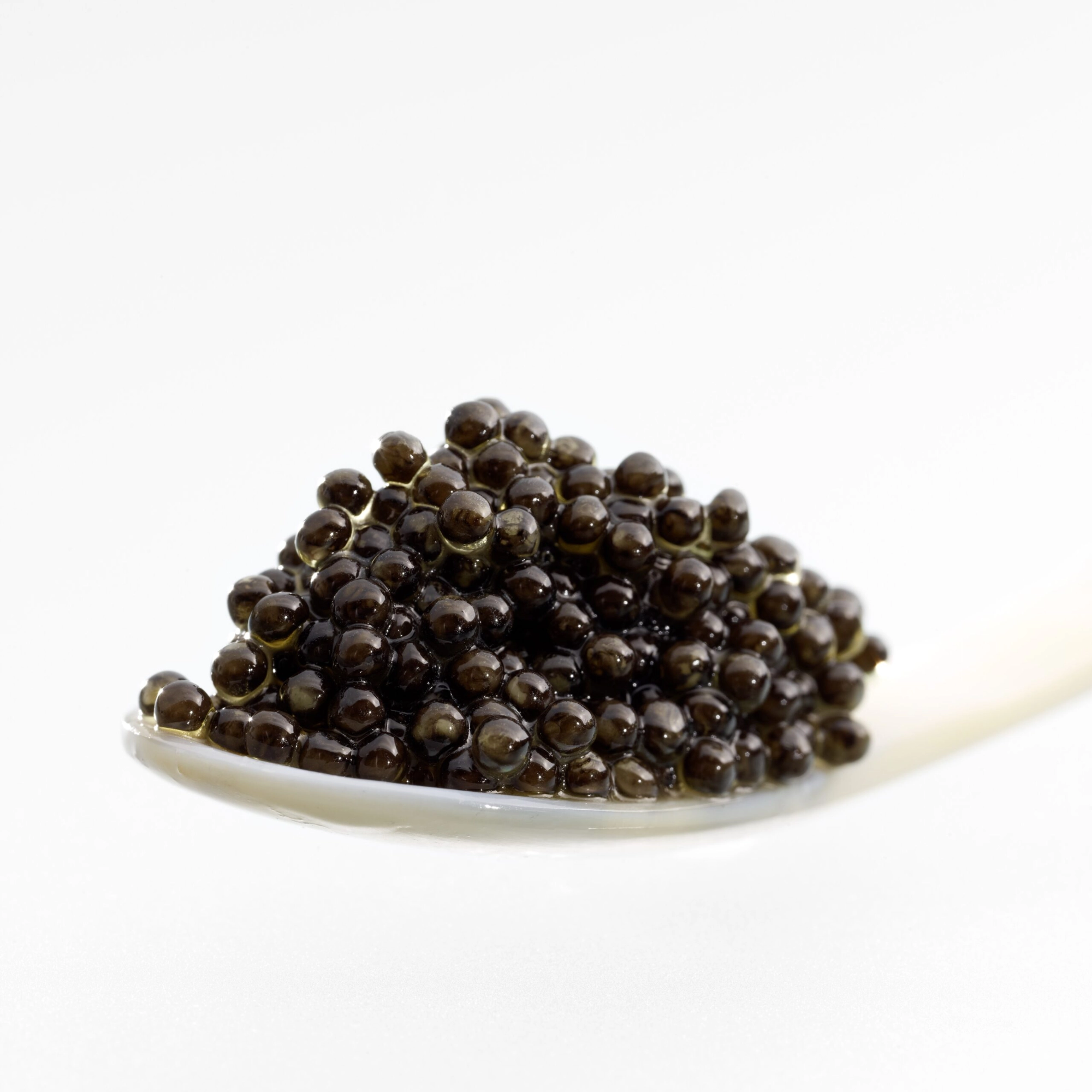
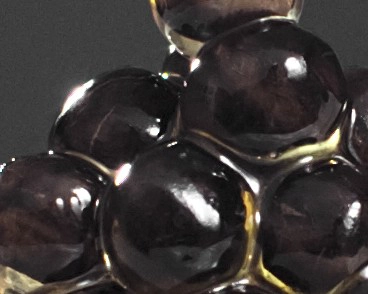
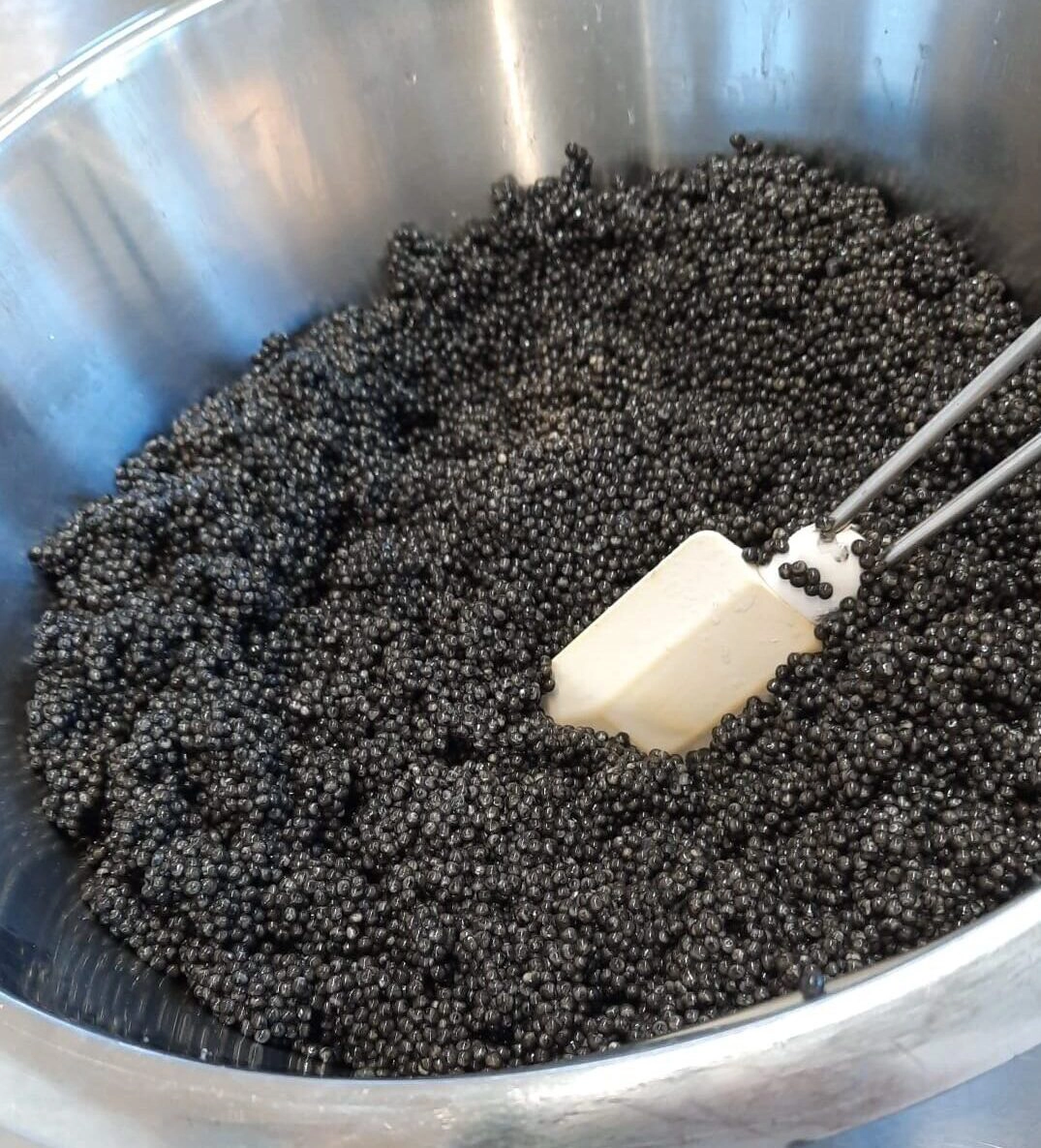
When you crush the pearls, an intense burst of flavor unfolds—without any fishy notes. The smooth, shiny grains are uniform in size within each batch and sit in the jar without any salty or oily liquid. Their pearly texture makes every moment of enjoyment special.

Mature Eggs as the Starting Point
During their development in the ovary, the eggs are nourished and supported by surrounding gonadal cells.
At ovulation – the release of mature eggs – they separate from this cellular capsule. They can then be stripped from the living female sturgeon.
Mature eggs contain the full valuable spectrum of lipids and proteins provided by nature for the development of new life.
The Clean and Delicate Egg Membrane
During the release of eggs, the egg surface undergoes fundamental changes: the surrounding gonadal cells remain in the ovary. Fully released eggs collected by stripping have a smooth, clean surface.
These mature eggs are delicate, as nature prepares them for subsequent fertilisation in water. Their membranes must be specifically stabilised for further processing, light salting and maturation.
Various approaches to stabilising mature eggs
Harvesting mature eggs from living sturgeon and processing them into caviar are two separate steps. The delicate egg envelope needs to be stabilised for caviar production.
Russian patents describe methods that use heat treatment for this purpose. RU 2056759 C1 describes washing the eggs with water heated to 70–90 °C. RU 2232523 C2 describes heating the eggs to 67–69 °C and holding them for 2.5–3 minutes, in combination with preservatives.
The AWI process stabilises the egg envelope by triggering specific natural processes. Heat treatment is never applied for stabilisation. The contents of the caviar pearl remain liquid.The cross-sections and histological sections show the structural differences between the three samples examined: AWI treatment without heating compared to moderate heating and repeated heating. In the histological sections of the heat-treated samples, the areas of denatured proteins are clearly recognizable to an expert observer. With moderate heating, a marginal zone forms in the outer egg cell plasma; in the sample subjected to repeated heating, the altered area occupies significantly more space. The AWI process stabilizes only the outer egg membrane, while the interior of the caviar grain—with all its valuable proteins and lipids—remains largely intact, allowing natural maturation processes to proceed for flavor development.
Our numerous tastings and comparative analyses show that various heating methods impair the quality of mature eggs. Experiences regarding the texture and taste of such products have given rise to considerable reservations about the use of mature eggs for caviar production. It is therefore crucial to distinguish between the raw material and its processing: The quality impairments observed in the heated eggs examined must not be generalized to mature eggs processed using the AWI method without heat stabilization.

The Patented AWI Process
AWI research has investigated the biological and physicochemical processes that determine the stability of the egg membrane.
The patented processes use controlled treatment conditions and selected ions to stabilise the outer envelope of mature eggs without affecting the egg’s valuable natural contents.
This prepares the eggs for processing into premium caviar. The stabilised membrane protects their natural contents and helps the pearls retain their round, natural shape and characteristic mouthfeel.
Scientific Insights: From Immature to Ovulated Eggs
LEFT – Immature egg obtained through slaughter: An egg that has not yet ovulated, surrounded by several layers of different gonadal cells (theca and granulosa cells). These cells are closely associated with the egg membrane for nutrient transfer. Cellular residues remaining on the egg surface may provide favourable conditions for microbial growth and impair the shelf life of caviar produced from it.
CENTRE – Egg during ovulation: During ovulation, the mature egg is released from its association with the surrounding gonadal cells. The image shows the egg’s clean surface being exposed.
RIGHT – Fully released mature egg: These eggs have a smooth, clean surface without adhering gonadal cells. This particular surface characteristic is an important prerequisite for the extended shelf life of caviar produced using the AWI process.
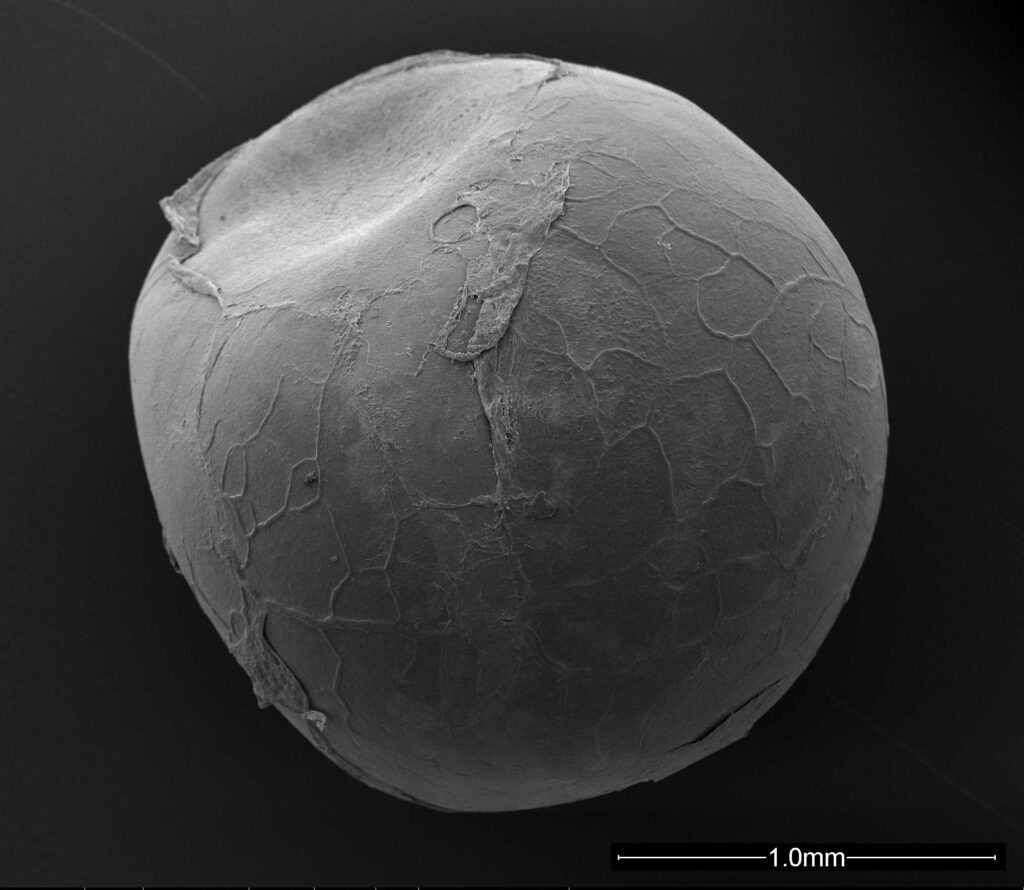
© Dr. Angela Köhler-Günther
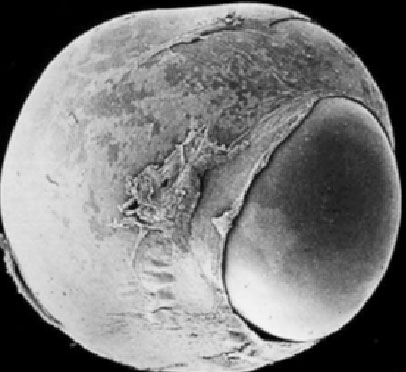
© Esther Lubzens
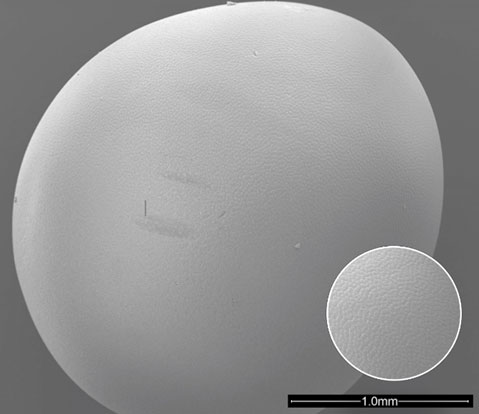
© Dr. Angela Köhler-Günther
From Mature Eggs to Enjoyment
Following stabilisation, the eggs are lightly salted in the Malossol style and matured under controlled conditions.
CLASSY CAVIAR is produced without borax or other added preservatives and without pasteurisation.
During maturation, the flavours characteristic of each variety develop. The stabilised egg membranes preserve the distinctive texture of individual caviar pearls.
Under specified storage conditions at −4 °C, CLASSY CAVIAR has a chilled shelf life of up to nine months. Following maturation, it can be deep-frozen and stored for up to 24 months, then gently thawed in the refrigerator without losing its characteristic quality attributes.
Patent Protection and Scientific Verification
The patented technology developed at the Alfred Wegener Institute (AWI) for sustainablecaviar production from live sturgeon is protected by patents in numerous countries. Licencesare granted by AWI.
The patented processes are based on targeted modifications of the egg envelope of matureeggs obtained from live sturgeon.
These modifications were scientifically characterised and documented during the development of the technology through extensive histological and transmission electron microscopy (TEM) studies. The corresponding findings and microscopic images are included in the published patent documents.
The two processes induce distinct, characteristic structural modifications of the egg envelope, which may occur individually or in combination.
Using established histological methods, these structural modifications can also be examinedin the finished caviar product. Frozen sections of caviar grains can be prepared and stained in suitably equipped histology laboratories within a few hours.
These scientific examination methods provide a basis for identifying evidence of theapplication of the patented technology and investigating potential patent infringement.
Patent protection safeguards AWI’s intellectual property and helps protect the interests ofauthorised licensees.
Repeated Harvests from Living Female Sturgeon
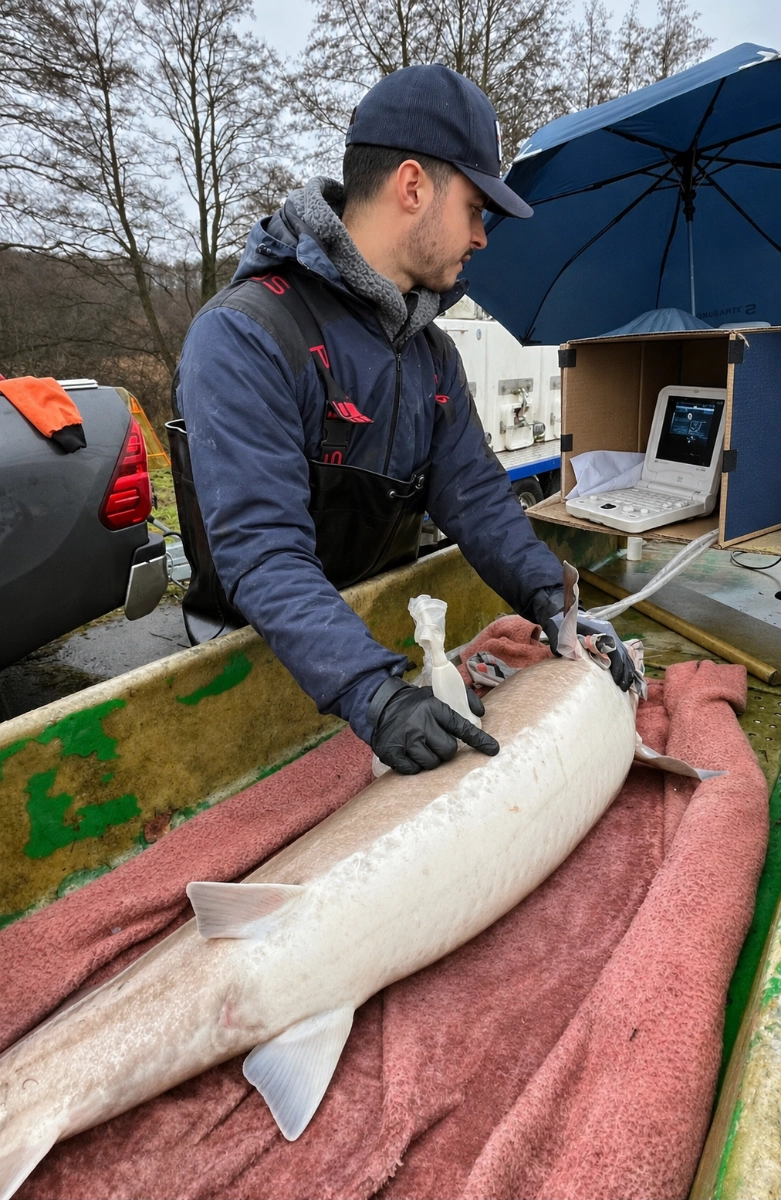
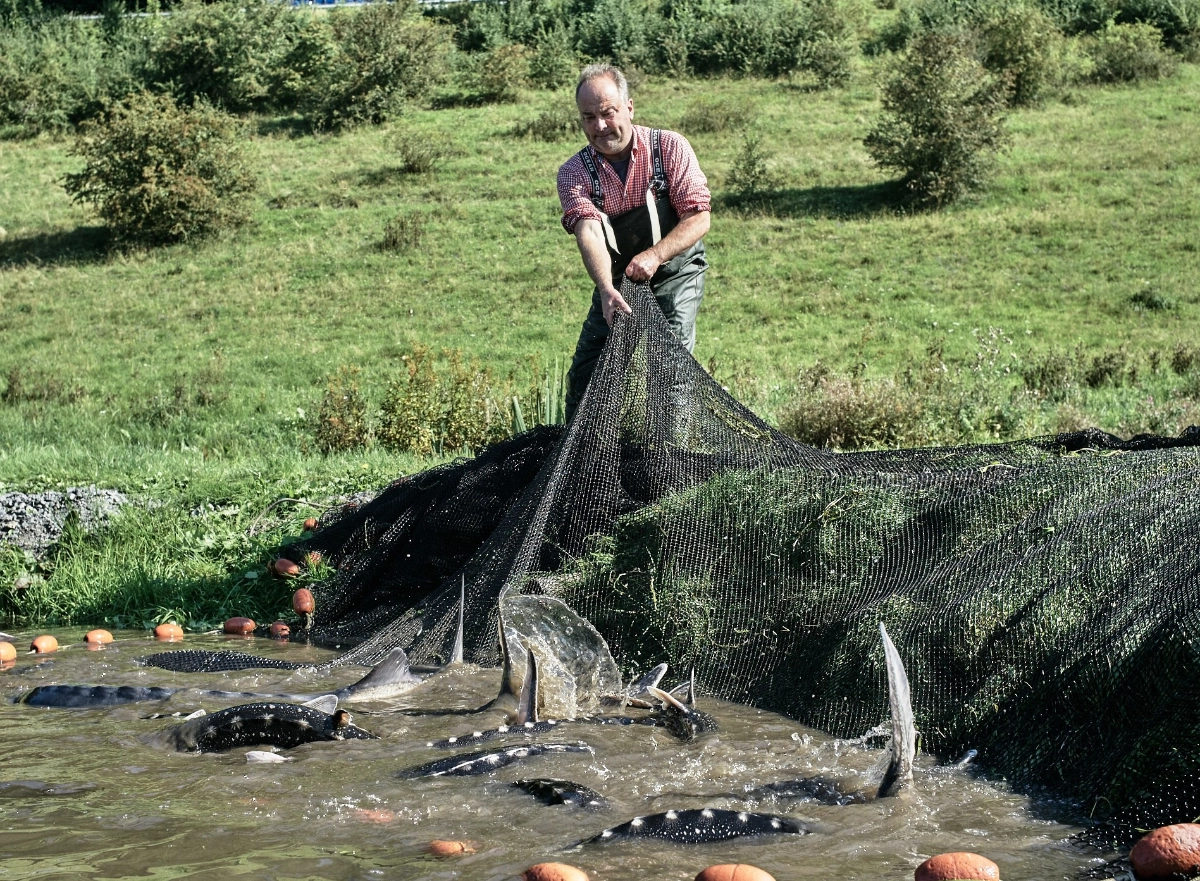
Unlike conventional caviar production, the female sturgeon are not killed to harvest their eggs.
They remain alive after harvesting and, with appropriate husbandry, care and preparation, can produce eggs again following maturation cycles.
Pearl size often increases with age and repeated harvests. Flavour and mouthfeel may also continue to develop.
CLASSY CAVIAR therefore distinguishes between First Harvests and Repeated Harvests for both ALLEGRO (Acipenser baerii) and CANTABILE (Acipenser gueldenstaedtii).
Technology in Practice
Successful application of the AWI processes requires close coordination between the aquaculture farm and caviar production.
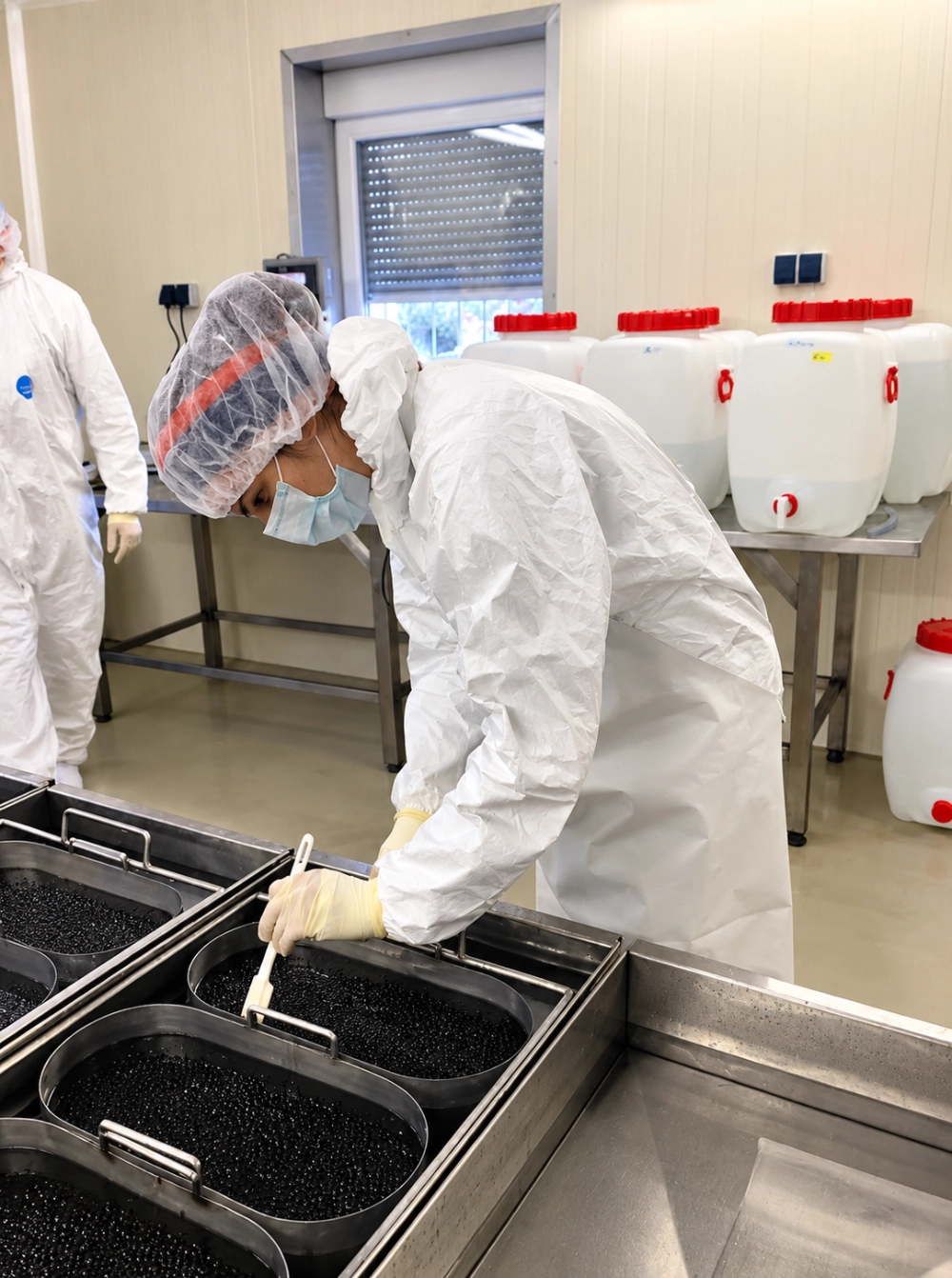
This includes selecting and preparing suitable female sturgeon, collecting fully mature eggs, stripping them, processing them, and carrying out quality control, maturation and storage of the finished caviar.
Implementation requires specialist knowledge, suitable technical facilities and trained personnel.
Technology Transfer and Licensing
The processes developed and patented at the Alfred Wegener Institute offer aquaculture businesses the opportunity to harvest premium caviar repeatedly from living female sturgeon.
AKAZIE GmbH & Co. KG, led by the inventor of the CAV2 technology, supports interested producers in assessing their operational suitability and introducing the technology.
Cooperation may include a professional suitability assessment, advice on the necessary equipment, practical training and support in establishing appropriate production and quality-control procedures.
Licensing takes account of the relevant regional licensing rights and is coordinated with the Alfred Wegener Institute.
Interested aquaculture businesses may contact AKAZIE for an initial assessment of their facilities and operating conditions.
Further technical documentation is provided after assessment of the prospective partner and, where appropriate, after a confidentiality agreement has been concluded.
Discover CLASSY CAVIAR
Experience the combination of science, carefully controlled maturation and exceptional caviar enjoyment.
Discover our ALLEGRO and CANTABILE varieties.
Science and Practice in Dialogue
The development and practical implementation of innovative methods in sturgeon farming and caviar production require close links between scientific research, many years of experience in aquaculture and technological expertise.
To this end, CLASSY CAVIAR and AKAZIE work with experienced partners from science and industry.
Rhönforelle – Partner for Research, Production and Practical Implementation
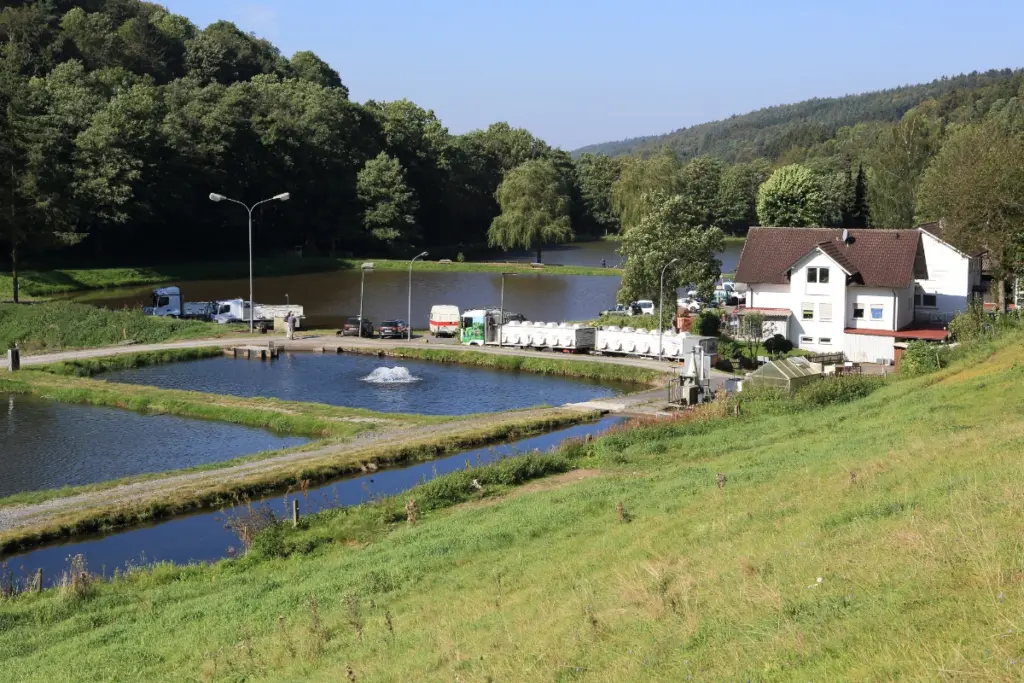
The collaboration with Peter Groß and Rhönforelle connects the scientific development of AWI technology with its practical application in sturgeon aquaculture and caviar production.
Rhönforelle is an important partner in the further development and practical testing of the process, as well as in the production of CLASSY CAVIAR.

Practical Training and Technology Transfer
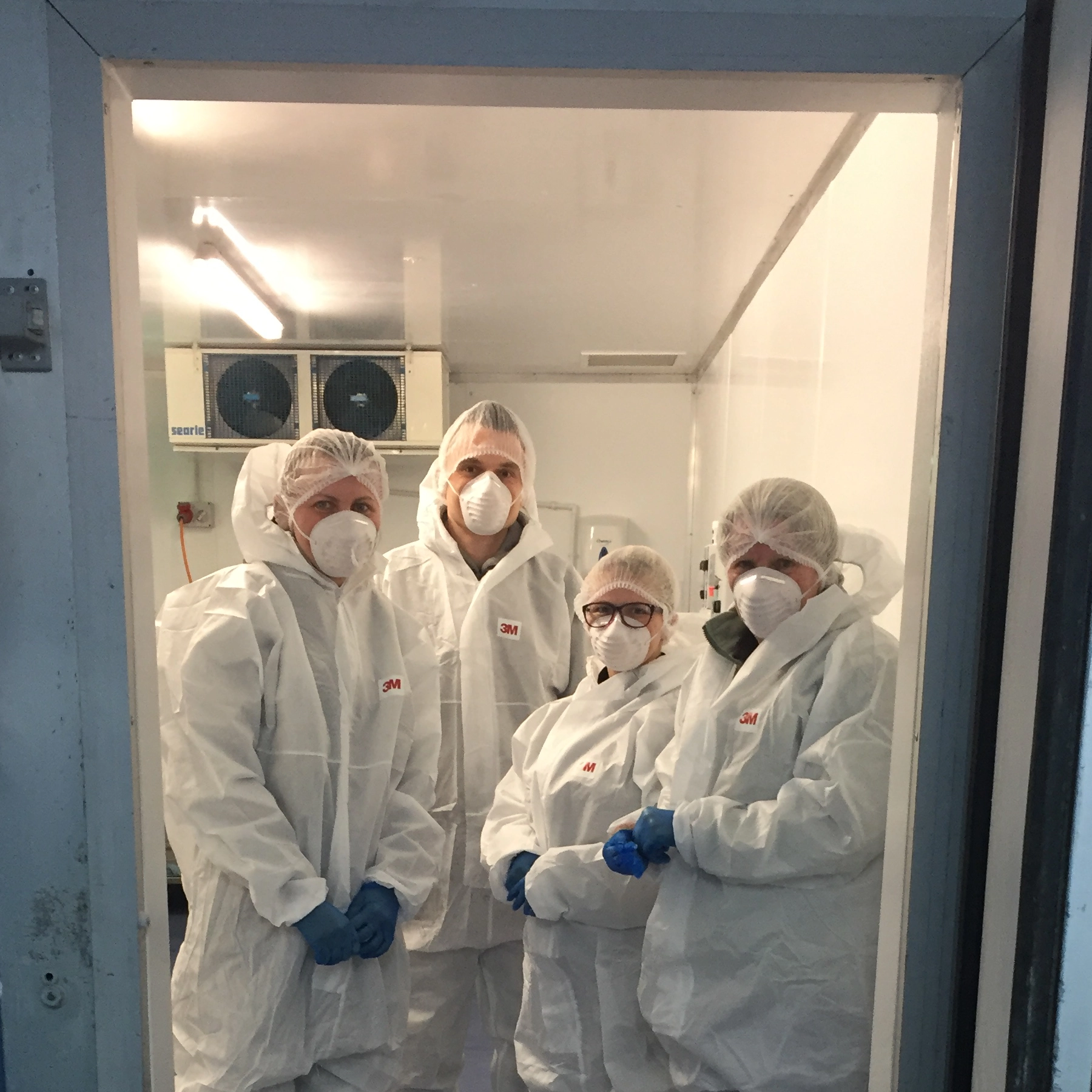
Training for new licensees of the AWI technology preferably takes place directly at their own aquaculture facilities.
This allows the specific conditions of each operation, sturgeon husbandry, production workflows and existing technical infrastructure to be incorporated directly into practical training.
This facilitates the reliable and sustainable integration of AWI technology into each operation.
Only when training at the licensee’s own site is not possible may Rhönforelle serve as an alternative training location, provided that the necessary conditions are met.
AKAZIE coordinates the technical preparation, support and practical delivery of technology transfer.
Dr Peter Steinbach – Expertise in Sturgeon Biology and Recirculating Aquaculture
Collaboration with Dr Peter Steinbach, an industry consultant and specialist author, adds many years of expertise in sturgeon biology, caviar production and fish husbandry in recirculating aquaculture systems (RAS) to our scientific and practical network.
He has published his extensive experience in aquaculture in two specialist books, among others:
His specialist knowledge provides a valuable basis for scientific and practice-oriented exchange on sturgeon biology, husbandry and reproduction, as well as the technical and biological requirements for sustainable and economically successful caviar production.
Shared Objective
Scientific findings and practical experience are brought together to support the successful application of AWI technology in different aquaculture operations.
The focus is on sturgeon welfare, long-term sustainable production, the economic prospects of aquaculture businesses and the consistently high quality of CLASSY CAVIAR.